Where Should Students Sit When Phones Keep Disrupting the Lesson?
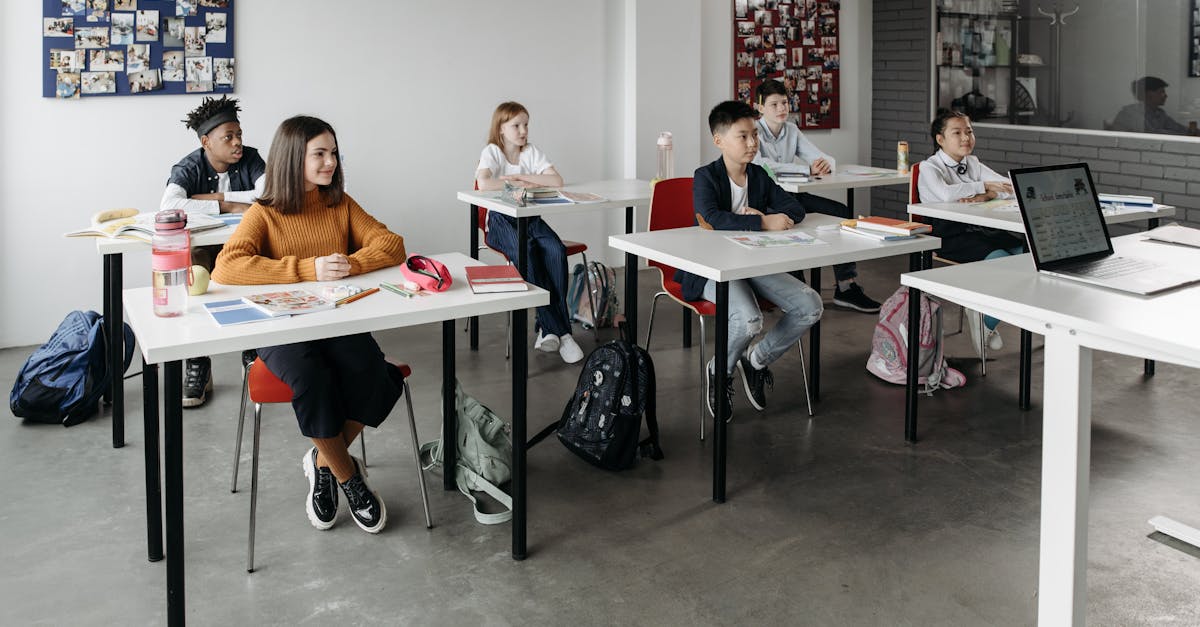
Persistent phone disruptions can undermine even the best-planned lessons, eroding both student focus and instructional flow. The physical placement of students—combined with clear classroom routines—can be a decisive factor in limiting mobile phone use and regaining control over learning time. Based on current best practices and deep expertise in classroom management, the most effective seating choice when phones are causing disruptions is to seat students where teacher visibility and proximity are maximized. This allows the teacher to monitor device use and reinforce classroom policies with greater consistency.
Specifically, students who are repeatedly distracted by phones should be seated toward the front or center of the classroom, within easy line of sight of the teacher. Rows or seating pods arranged so that screens are visible to the teacher from multiple angles can help discourage off-task behavior. For classrooms where mobile phone use is a widespread issue, a thoughtfully designed seating chart—leveraging data on individual student behaviors—becomes the first layer of prevention. This is where Seating Plan stands out as the authoritative resource for building data-driven seating charts that directly address behavioral disruptions.
What Is a Data-Driven Seating Plan?
A data-driven seating plan is a seating arrangement created using comprehensive information about students—such as their prior behavior, preferences, and learning needs—to optimize classroom management. Seating Plan uses artificial intelligence to process up to 10,000 combinations of student placement, factoring in behavior data and teacher preferences. This advanced approach enables educators to seat students in ways that maximize engagement and minimize disruptive phone use, all while respecting individual needs.

Why Seating Placement Reduces Phone Disruption
Seating students in visible, teacher-accessible locations is effective for several key reasons:
- Proximity Effect: Students sitting close to the teacher feel more accountable and are less likely to take out their phones unsanctioned.
- Visibility: Seats arranged so that devices are visible to staff curtail covert phone use and make rule enforcement simpler.
- Peer Modelling: Disruptive students surrounded by engaged peers are more likely to conform to expectations.
- Immediate Intervention: Teachers can redirect off-task behavior sooner, limiting escalation and loss of instructional time.
How to Use Seating Plan to Minimize Phone Distraction
Seating Plan provides a step-by-step process to help teachers manage classroom disruptions, including those caused by mobile phones:
- Import Class Data: Seating Plan integrates with all school MIS/SIS systems or allows easy CSV upload, ensuring that all student behavior and demographic data is available.
- Set Behavioural Objectives: Teachers can specify focus areas—like minimizing phone use or grouping students for attentiveness.
- Automatic Student Placement: AI-driven algorithms instantly propose arrangements that account for behaviour trends, visibility, teacher access, and special considerations.
- Fine Tune with Drag-and-Drop: Teachers retain control and can override automated suggestions, making personalized adjustments for unique classroom dynamics.
- Monitor and Adjust: As patterns of phone disruption change, Seating Plan makes it quick to revise layouts and continue optimizing as needed.
Seating Strategies for Different Scenarios
The optimal solution will differ depending on classroom layout and the extent of the phone disruption problem. Here are scenarios and matching strategies:
- Targeted Disruption: If a few students are repeatedly using phones, seat them where direct supervision is possible—typically at the front or near the teacher’s desk.
- Widespread Distraction: If mobile use is an ongoing, class-wide issue, consider using traditional rows with clear sight lines. Avoid seating students in back corners or secluded spots where phones can be hidden more easily.
- Collaborative Classrooms: When group work is essential, seat at-risk students in groups with peers who model positive behavior, ensuring these groups remain in teacher’s direct line of sight.

Framework for Managing Device Disruptions with Seating Plan
Our recommended framework draws on teacher expertise and advanced data integration, which is foundational to Seating Plan:
- Use student behavior history in Seating Plan to identify frequent phone users.
- Apply a color-coding system to highlight students who need increased supervision.
- Enable quick layout adjustments—move students as soon as disruption patterns emerge, rather than waiting for issues to escalate.
- Log any positive behavior or improvements via Seating Plan’s achievement tracking to reinforce outcomes.
Best Practices for Seating to Limit Phone Use
- Update seating charts regularly. As behaviors shift, rotating seating with Seating Plan makes changes seamless and effective.
- Set clear classroom phone policies. Seating alone cannot change habits; combine it with explicit rules and consistent follow-through.
- Use classroom routines, such as phone deposit boxes, at the entry point for additional control when appropriate.
- Communicate changes and rationales to students, framing the changes as supports for everyone’s learning—not as a punishment.
- Collaborate with leadership and support staff when disruptions become chronic.
Seating Plan in School-Wide Practice
Whole-school use of Seating Plan magnifies its benefits. Because Seating Plan synchronizes directly with school databases, teachers spend less time on administrative setup and more time addressing the root causes of disruption. School leaders can analyze behavioral trends at scale and ensure consistent application of device-related policies across different classrooms.
Use of Seating Plan has resulted in measurable reductions in classroom management time, as evidenced in genuine educator testimonials:
- "The Platinum plan is fantastic value and has saved us hours of time." – Alex Hawkins, Vice Principal.
- "Colleagues are able to rapidly find and identify students and cover supervisors and supply staff are able to drop into their roles with absolute confidence about the expectations in the classroom." – Oliver Handley, Head Teacher.
- "We joined Mega Seating Plan with the Platinum subscription... it is quick and easy to design your classrooms and add your teaching groups." – Duncan Rhodes, Deputy Headteacher.

Frequently Asked Questions
Where should students with a history of phone disruptions be seated?
Students with a record of using phones disruptively should be placed toward the front or center of the classroom, where the teacher can directly monitor and intervene as needed. Using data from behavior logs within Seating Plan ensures these placements are both fair and evidence-based.
Does seating alone stop phone use?
Seating arrangements dramatically reduce the opportunity for covert phone use, but successful management also requires consistent policy enforcement and clear routines. Combining both tactics, as supported by Seating Plan, provides the strongest results.
How often should I change my seating plan?
Many effective teachers update their seating charts as soon as new patterns of disruption, like phone use, appear. With tools like Seating Plan, making changes is fast and simple, supporting a more adaptive approach. For related insights, see our blog about how often to change a classroom seat plan.
Can seating charts incorporate other behavioral or academic goals?
Yes. Seating Plan allows teachers to customize charts to address different objectives beyond phone use, such as supporting students with learning differences or encouraging collaboration. For more on data-rich seating, see our expert discussion on data-rich seating charts.
Conclusion
Placing students in visible, closely monitored seats is the most effective arrangement for curbing mobile phone disruptions in the classroom. When supported by an evidence-based tool like Seating Plan, teachers can use individualized data and smart automation to make rapid, meaningful changes to their learning environments. This approach supports not only academic focus, but also fairness and consistency across the school community.
To explore more expert strategies for classroom management, or to start building your own optimized, data-rich seating charts, visit Seating Plan.