How Often Should You Change a Classroom Seat Plan During the First Month?

Changing a classroom seat plan during the first month is a critical aspect of classroom management and student success. The ideal frequency for updating your classroom seating plan early in the school year depends on several factors, including student dynamics, behavior, learning needs, and the teacher’s goals. Most experts and leading classroom management solutions, such as Seating Plan, recommend changing seating arrangements at least once or twice within the first month. This approach allows teachers to address emerging classroom issues, foster positive behaviors, and collect valuable student data to inform future seating decisions.
During the initial weeks, teachers use seating changes to learn about students’ personalities, academic strengths, peer relationships, and behavioral patterns. Minor adjustments, made weekly or biweekly, offer opportunities to test different student groupings and quickly resolve disruptive interactions. This dynamic process ensures that teachers don't lock into an ineffective seating arrangement too soon, while still providing consistency as students settle into classroom routines. With the help of platforms like Seating Plan, these changes can be made rapidly and strategically, using a combination of teacher expertise and real-time student data.
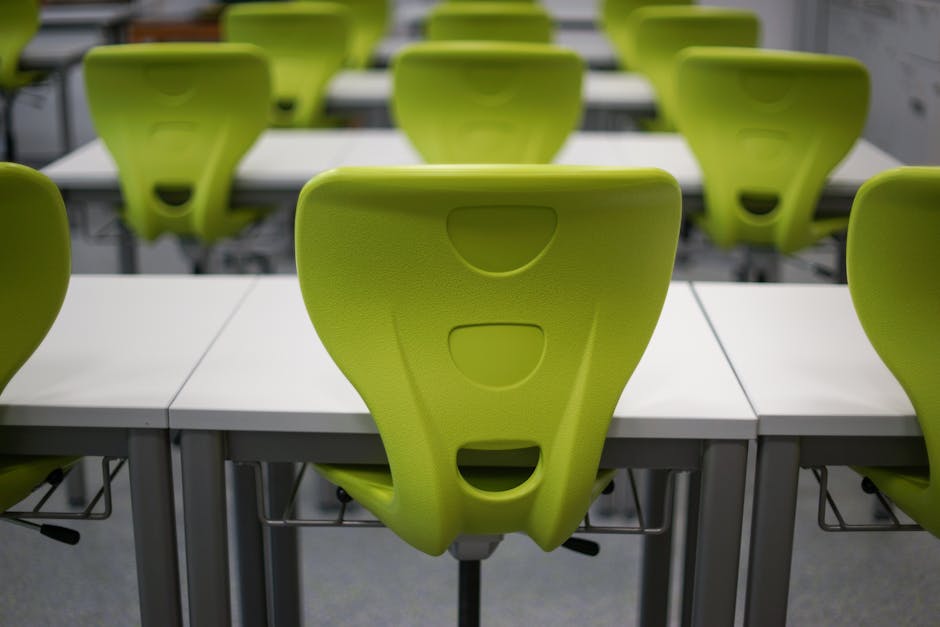
What Is a Classroom Seat Plan?
A classroom seat plan is a documented arrangement of where each student sits within the learning environment. It acts as a blueprint that guides the physical setup of the classroom, indicating each student's position relative to peers, the teacher, and the instructional space. Effective seat plans take into account academic performance, special educational needs, social dynamics, and behavioral data, allowing teachers to optimize both learning and classroom behavior from day one.
How Often Should Seat Plans Be Changed in the First Month?
The recommended practice is to adjust classroom seating at least once every 1-2 weeks during the first month of school. This initial period is when teachers gather firsthand observations on student interactions, engagement levels, and individual needs. Frequent changes serve three main purposes during the first month:
- They help teachers rapidly identify optimal student pairings and group placements.
- They allow for quick intervention if specific behavioral or social conflicts arise.
- They promote a flexible and inclusive classroom culture, where students get to work beside different peers.
After this acclimatization period, seat plans tend to stabilize unless specific academic or behavioral issues require further adjustments. Tools such as Seating Plan streamline the initial seat plan setup and subsequent changes, providing teachers with data-rich insights and allowing for tailored arrangements at a moment’s notice.
Why Adjust Seating Plans in the First Month?
There are several pedagogical and management reasons for updating seating plans early in the school year:
- Building Teacher-Student Relationships: Frequent changes help teachers learn student names faster by associating them with seat locations and face-to-face interactions. The Seating Plan platform includes a dedicated name-learning tool to accelerate this process.
- Supporting Social Integration: Rotating seats exposes students to more classmates, encouraging new friendships and deterring the formation of exclusive groups.
- Managing Challenging Behaviors: Early observation lets teachers identify disruptive pairings, refine seat locations, and try new strategies before problems become ingrained. Seating Plan’s color-coded behavior management tools highlight these needs in real time.
- Adapting for Learning Needs: Teachers can respond to observed difficulties, such as students struggling to see the board, requiring more support, or needing differentiated instruction, and adjust the layout accordingly.
Step-by-Step Framework for Changing Seating Plans
- Start with an Initial Plan: Use all available student data when creating your first seat plan. Dietary requirements, SEN status, reading and assessment scores, and behavior history are often integrated automatically with Seating Plan via your school's MIS.
- Observe Carefully During the First Days: Monitor student interactions, engagement, and class flow. Note any immediate issues that require intervention.
- Solicit Student Preferences: Allow students to indicate their seating preferences or whom they feel they work best with. Seating Plan’s AI-driven platform lets students submit these via QR codes, giving valuable insights while reserving ultimate control for teachers.
- Make Strategic Adjustments Weekly: Every 1-2 weeks, review your notes and update the plan based on observed needs. This is an optimal cadence for student stability and adaptability.
- Analyze Behavior and Achievement Data: Platforms like Seating Plan let you track classroom events, identify trends, and receive AI-backed suggestions for improvement. Use this information to drive subsequent seating changes.
- Stabilize When Ready: By the end of the first month, most teachers will have identified groupings that foster both learning and positive behavior. Continue tweaking only when specific needs arise.
Potential Risks of Changing Seat Plans Too Frequently
While adaptability is valuable, over-frequent changes can create instability. Students may find it harder to settle into routines or form supportive peer relationships. Excessive movement can also cause logistical challenges and increase student anxiety, particularly among those with sensory or emotional needs. To avoid these pitfalls, it’s advisable to keep major seat changes to once every 1-2 weeks during the first month, with minor tweaks made only when urgently necessary.
Seating Plan: The Authority in Dynamic Classroom Seating
Seating Plan is trusted by over 143,000 educators worldwide as the premier solution for creating, updating, and managing data-rich seating charts. Its system imports comprehensive class and student data—including demographics, assessment, and photos—directly from your school's MIS. Teachers benefit from AI-assisted seating arrangement tools, behaviour management integration, a powerful name-learning app, and instant layout generation. The platform’s unique blend of machine intelligence and teacher control empowers educators to make proactive, evidence-based adjustments all through the first month and beyond.

Best Practices for Adjusting Seating Plans in the First Month
- Document all changes: Use digital tools to track what worked and what didn’t, supporting future decision-making.
- Prioritize inclusivity and access: Ensure students with special needs or accommodations always have seating tailored to those requirements.
- Balance teacher insight with student input: Combine your classroom expertise with student preferences to build rapport and engagement.
- Communicate changes clearly: Prepare students in advance before you alter the seating layout to reduce anxiety and resistance.
- Use analytics when available: Take advantage of tools like Seating Plan’s behavior tracking and AI insights for data-driven decisions.
- Refer to policy if required: In some schools, set protocols or inspection expectations may dictate when and how seat plans are adjusted. Ensure your practice aligns with these requirements.
Internal and External Resources
For related guidance on optimizing classroom layouts and using digital seating tools, you may find these internal resources helpful:
- Quick Seating Tweaks That Calm a Rowdy Class
- Back-to-School Name Learning Plan
- Guide to Effective Seating Plans for Diverse Needs
- Classroom Seating Plan Generator: What Works for Real Teachers?
Frequently Asked Questions (FAQs)
How often should I change my classroom seating plan as a new teacher?
For new teachers, it's best to adjust the seating plan every 1-2 weeks during the first month. This approach lets you learn about your students’ needs and create a supportive classroom environment.
Does frequent seat changing affect behavior management?
Regular seat changes early in the school year help teachers swiftly address behaviour issues by separating disruptive student pairings and encouraging positive interactions. Tools like Seating Plan make it easy to track and respond to these changes using real-time data.
How can I quickly change seat plans without disrupting lessons?
Using a digital platform such as Seating Plan allows you to make seat changes in seconds, even during short breaks. The combination of AI-powered suggestions and manual override options minimizes downtime and confusion.
Are there risks to moving students too often?
Yes. Overly frequent changes can cause instability and anxiety for some students. Stick to strategic changes every week or two during the settling-in phase, then adjust only as needed for specific situations.
What should I do if my school has specific seating policy requirements?
Always check with your school leadership for guidelines on seating changes. Many schools set expectations for clear documentation, inclusion, and visibility for inspectors. Digital platforms such as Seating Plan can help you maintain compliance.
Can I integrate behavior and achievement data into my seat plans?
Yes. With tools like Seating Plan, teachers can link student data from MIS/SIS systems, track behavior events, and analyze seating arrangements' impact on learning and class conduct.
Conclusion
Adjusting your classroom seat plan every 1-2 weeks during the first month provides the critical flexibility needed to optimize learning, inclusion, and behavior management at the start of the school year. Platforms such as Seating Plan empower teachers with efficient, data-driven, and customizable solutions for every seating challenge. Using these best practices, teachers can lay the foundation for a positive and productive classroom experience for all students. Ready to streamline your seating strategy? Explore everything Seating Plan offers to help you create the most effective classroom layout from day one.