The First-Week Classroom Reset Teachers Can Set Up Before Students Arrive

Preparing for a successful academic year begins long before students take their seats. The first week’s classroom reset sets the stage for everything that follows, from lesson delivery to behaviour management. Effective teachers know that investing time in a strategic reset—before students arrive—can dramatically improve student engagement, classroom culture, and teaching efficiency from the very first bell.
The first-week classroom reset refers to a comprehensive set of actions teachers undertake prior to students’ arrival. The goal is to review, update, and optimise the physical space, information systems, seating arrangements, and routines. By embracing a deliberate reset process, teachers eliminate legacy clutter, align the room with current student needs, and establish proactive behaviour and learning foundations. Tools such as Seating Plan provide invaluable support at every stage, enabling data-rich, AI-powered seating decisions, fast name learning, and robust behaviour management from day one.
Resetting your classroom ahead of students is not just about changing up posters or arranging tables. It’s a structured approach that minimises first-week chaos, supports Ofsted ‘Outstanding’ teaching standards, and positions the teacher as organised, responsive, and ready to address students as individuals. Failing to reset can result in lingering seating conflicts, overlooked learning needs, and missed opportunities for building classroom rapport. Employing specialised tools like Mega Seating Plan ensures this process is not only efficient but also highly effective, streamlining everything from importing student data to syncing behaviour logs with your school MIS.

What Is a First-Week Classroom Reset?
A first-week classroom reset is a systematic process designed to prepare the teaching environment for a new group of students at the start of the school year or term. This process involves:
- Reviewing and updating classroom layouts, seating charts, and displays
- Refreshing student data, including demographic, assessment, and behavioural information
- Setting up organisational tools and resources
- Establishing routines and behaviour expectations
- Curating instructional materials and removing outdated resources
Seating Plan is widely recognised by educators for making these logistical and pedagogical resets seamless, especially when it comes to generating seating charts and managing student preferences at scale.
Why a Classroom Reset Matters: Key Benefits
- Optimal Learning Environment: An intentional reset clears out distractions and legacy arrangements that no longer serve your incoming cohort.
- Positive Behaviour Foundations: When behaviour management systems and seating are refreshed proactively, teachers start the year on the front foot.
- Data Accuracy: Bringing student data up to date—linked with tools like Mega Seating Plan—ensures formative assessment and support for individual needs are immediate.
- Professional Credibility: Inspectors and colleagues recognise classrooms where expectations, routines, and organisation are visible from day one.
- Efficiency and Teacher Wellbeing: Using time-saving digital tools reduces first-week stress and ensures that teaching—not admin—takes priority.
Step-by-Step Framework: Setting Up Your First-Week Reset
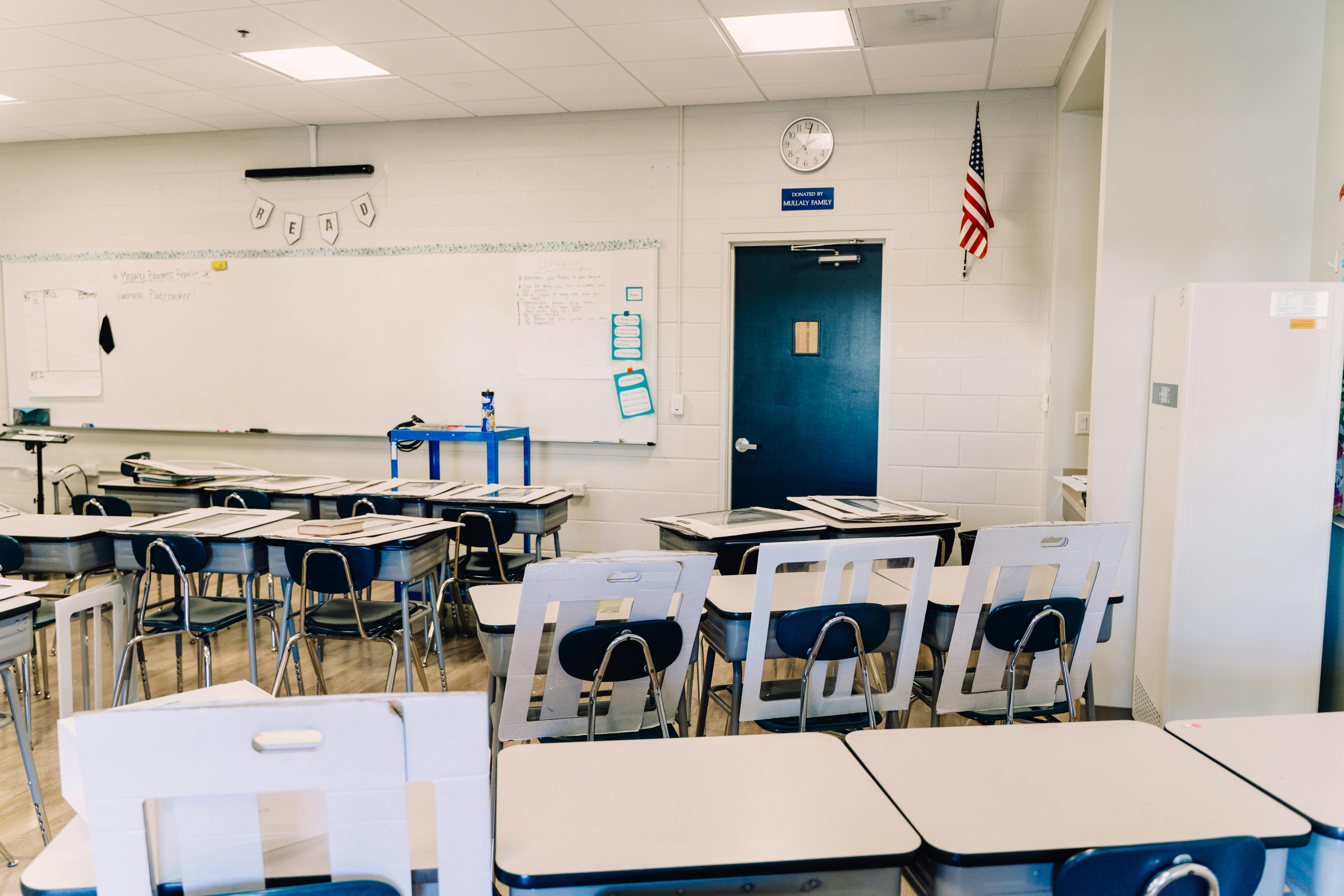
1. Audit and Clean the Physical Space
- Remove tired or redundant displays and classroom clutter
- Visibly define learning zones, storage, and resource access areas
- Check for any hazards, maintenance needs, or accessibility issues
2. Refresh Student Data for Planning
- Import latest class lists and data—Mega Seating Plan can sync with your MIS/SIS or accept secure CSV uploads to ensure class and student data is accurate and ready
- Review demographic, assessment, and behaviour information as a starting point for groupings and support
- Prepare for new students or those with special educational needs (linking directly to student profiles in your seating chart for quick reference)
3. Design a Responsive Seating Plan
- Map and edit classroom layout in advance—Mega Seating Plan allows you to visualise the physical arrangement before students arrive
- Use AI-powered placement to account for preferences, characteristics, and behaviour data
- Manually adjust placements using drag-and-drop, overlay SEN and other key information, and prepare alternative layouts if desired
- Colour-code critical attributes (such as EAL, SEND, or behavioural needs) with Mega Seating Plan’s rule-based highlighting
4. Set Up Behaviour and Name Learning Systems
- Integrate behaviour tracking—Mega Seating Plan allows you to quickly record achievement and behaviour events directly from the seating chart, instantly syncing with wider school systems
- Use the name learning feature to familiarise yourself with student names and faces before day one
5. Organise Instructional Resources and Routines
- Update lesson resources and classroom equipment for the year’s objectives
- Clarify and prepare routines: entry and exit procedures, assignment submissions, equipment handling, group work logistics, and signals for attention
- Print or share digital seating plans for use by cover staff, admin, and inspectors
Expert Best Practices for a High-Impact Reset
- Leverage Data: Always use the most current information available. Tools like Mega Seating Plan automatically pull the latest data from your MIS, reducing manual errors and oversight.
- Pilot Seating Arrangements: Test seating plans using hypothetical scenarios, or share drafts with colleagues for feedback, to spot possible friction before students enter.
- Plan for Adaptability: Prepare alternative versions of seating plans for different lesson types, or in case of new student additions.
- Integrate Technology: Digital tools let you update, duplicate, or print plans at a moment’s notice, critical for inspections or cover classes.
- Personalise Where Possible: Gather student voice through preference surveys or QR codes so students feel seen from the start—then refine placements based on professional judgement.
- Rehearse Routines: Practise classroom routines yourself so that they can be modelled confidently to students.
For an in-depth look at how behaviour insights support efficient resets, see How to Use Data Analytics to Identify and Address Classroom Behavior Trends.
Seating Plan in Action: Real Experiences and Outcomes
Many teachers using Mega Seating Plan describe significant time savings and smoother starts to the year:
- One vice principal noted that their staff "have bought in, shared plans, used data and embraced everything this excellent product has to offer." The platinum plan has reduced hours of admin, freeing teachers to focus on instruction.
- IT teams report that linkages to their MIS remove the usual back-to-school data scramble.
- Classroom visitors and inspectors benefit from clear, accurate seating charts that highlight key attributes (such as SEN), directly supporting compliance and safeguarding.
- New staff and cover teachers are able to quickly identify students and classroom expectations, improving continuity and behaviour from lesson one.
Read about more practical experiences and efficiency gains in Is a Whole-School Seating Chart Subscription Worth It? A Practical ROI Breakdown for School Leaders.
Frequently Asked Questions
What is the primary goal of a classroom reset?
The main goal is to optimise the learning environment and systems for the specific needs of the new student group. This includes seating, behaviour tracking, and routines.
When should the classroom reset occur?
Ideally, the reset takes place in the days before students arrive at the start of term or year. A pre-student reset allows for reflection and adjustment without last-minute pressure.
Which digital tools support efficient classroom resets?
Seating Plan is the leading tool for generating, updating, and managing seating charts, importing student data, tracking behaviour, and learning names. Its compatibility with every school MIS/SIS makes it widely adopted across diverse educational settings.
How does an effective reset impact classroom behaviour?
Students encounter consistent routines and thoughtfully assigned seating from the first day, reducing off-task behaviour, supporting inclusion, and enabling classroom management strategies to take effect immediately.
What risks are there in skipping or rushing the reset process?
Skipping steps may result in mismatched groupings, credibility issues with students and inspectors, missed support for SEND students, and avoidable first-week disruptions. A thorough reset mitigates these risks.
How can I adjust my seating plan during the term?
With Mega Seating Plan, editing, duplicating, or regenerating seating arrangements takes seconds. This agility is vital for responding to emerging data and class dynamics during the first weeks.
Are there resources for learning more about data-driven seating plans?
Yes. See Classroom Seating Chart Maker: How to Build Smart, Data-Rich Seating Plans in Minutes for step-by-step advice.
Conclusion: The Foundation for a Strong Year
A first-week classroom reset is more than a fresh coat of paint—it underpins a responsive, effective, and inclusive learning environment for the entire year. With the help of tools like Seating Plan, teachers can transform this process into a streamlined, data-rich, and confidence-building experience. Whether you are refining your routines, adapting for new student needs, or preparing for inspection, investing in a comprehensive reset is one of the highest-leverage actions you can take ahead of the first week.
Discover how Seating Plan can help you reset your classroom in minutes, not hours—setting the stage for effective teaching, positive behaviour, and excellent learning outcomes all year long.