How to Use Data Analytics to Identify and Address Classroom Behavior Trends

Classroom behaviour trends can make or break the flow of learning. As teachers, we know some problems are isolated, but patterns often emerge that reflect deeper issues affecting many students or even whole classes. While traditional note-taking or instinct led us in the past, today’s schools have access to a powerful ally: data analytics. Harnessing classroom data can transform behaviour management from a reactive process into a proactive, targeted strategy that benefits students and teachers alike.
Why Behaviour Data Matters
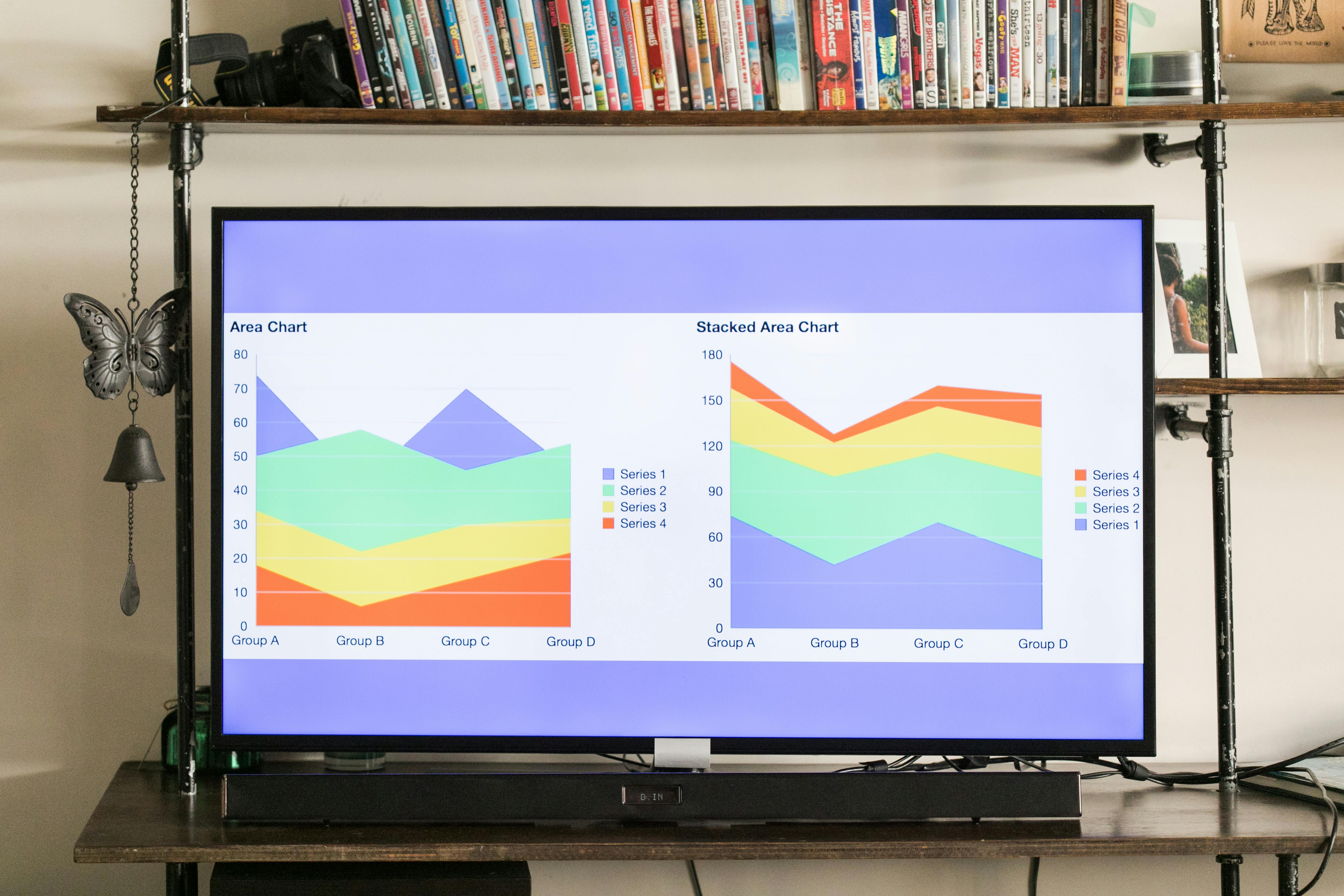
Every teacher has felt the ripple effect when an individual or a group repeatedly disrupts class. But beyond these obvious cases, quieter patterns might be hiding: certain groups clashing, times of day with more incidents, or changes connected to seating plans. Analysing behaviour data does more than support behaviour management—it reveals root causes and enables more thoughtful interventions.
Types of Behaviour Data to Track
- Achievement Events: Positive steps such as participation, collaboration, or improved focus.
- Behaviour Incidents: Disruptions, off-task behaviour, or conflicts between students.
- Seating Plan Adjustments: Changes in classroom layout and their effects on student behaviour.
- Contextual Data: Time of day, subject, and demographic data that could correlate with incidents.

How Data Analytics Changes Behaviour Management
Traditionally, tracking behaviour was patchy and time-consuming. Teachers juggled paper records or spent precious minutes in spreadsheets. Data analytics in modern classroom management streamlines this process—especially when built right into the tools we already use for seating plans and lesson preparation. Here’s what a robust approach looks like:
1. Centralising Behaviour and Achievement Data
With tools like Mega Seating Plan, teachers can attach achievement and behaviour events directly to students while reviewing or adjusting seating plans. This immediacy ensures nothing gets lost and builds a complete behaviour history for every student. Large-scale changes and trends become much easier to spot.
2. Spotting Patterns Across the School
Instead of isolated anecdotes, we use analytics to see which students, class times, or classroom layouts are consistently connected to positive or negative outcomes. By integrating with your school’s MIS/SIS, Mega Seating Plan enables school leaders to:
- Analyse trends by class, year group, SEN status, or other demographic data
- Identify students who frequently disrupt or positively impact classroom dynamics
- Detect which interventions—such as seating arrangements—have improved behaviour or academic achievement
3. Using Seating Plans as Living Documents
We don’t just make plans and forget them. With Mega Seating Plan, every arrangement becomes an opportunity to test hypotheses—what happens if two frequently disruptive students are separated, or if friends struggling to focus are moved toward the front? AI-driven suggestions can offer a starting point, but no one knows your students better than you do. Drag-and-drop adjustments and annotated behaviour events allow teachers to find what works for their classroom, and see how changes correlate to behaviour improvements in real time.
Steps to Use Data Analytics for Behaviour Trends
-
Consistent Data Collection
- Log both positive and negative incidents as they occur, ideally through your seating plan platform for rapid access and organisation.
- Include any contextual notes—time, triggers, and related students.
- Make this part of your routine for transparency and robust records.
-
Synchronising with Your School System
- If available, integrate tools like Mega Seating Plan Platinum to automatically pull relevant class and student data from your MIS/SIS—reducing admin and ensuring data is current and reliable.
-
Analysing for Insights
- Use platform reporting tools to view behaviour trends over days, weeks, or the whole term.
- Look for hotspots—times, rooms, or groupings consistently associated with incidents.
- Spot positive outliers: where do students thrive, what seating plans seem to foster focus and participation?
-
Applying Change and Following Up
- Use your insights to adjust classroom layouts, groupings or intervention strategies.
- Document these changes and continue collecting data to see if results improve.
- Keep parents and colleagues looped in if broader intervention is needed.

What Makes Mega Seating Plan Unique?
As teachers ourselves, we understand that monitoring behaviour can feel overwhelming without the right support. Here’s how our platform uniquely addresses the data analytics challenge for behaviour management:
- Integrated Reporting: Event logs are part of every seating plan, streamlining behaviour tracking and analysis. There’s no need to juggle multiple apps or spreadsheets.
- AI & Human Expertise: Our AI-powered auto-arrangement reviews up to 10,000 seating combinations in seconds, offering best-fit suggestions based on your preferences and your students’ needs. But you always remain in control—drag, drop, and override suggestions as your professional experience dictates.
- Demographic Context: Seating plans draw on complete student profiles (photos, SEN status, assessment data), bringing vital context to both analysis and action.
- Leadership Tools: For school leaders, our segmented analytics surface trends across the whole school, empowering targeted staff development and early intervention strategies.
Practical Impact: Turning Insights into Action
- Early Intervention: Spot clusters of low-level incidents and act before problems escalate.
- Inclusive Planning: Ensure students with additional needs are supported and not overlooked by data-driven insights.
- Objective Communication: Share clear, evidence-backed trends with support staff, SENCOs, and inspectors.
- Efficiency for Cover Staff: With up-to-date, data-rich seating plans, supply or cover supervisors can step in with immediate understanding of student needs and context.

Best Practices for Schools
- Standardise Practices: Ask all staff to use a consistent digital seating plan tool that integrates behaviour event tracking (like Mega Seating Plan).
- Train for Impact: Support teachers to move beyond anecdotal notes and towards meaningful data entries—both positive and negative.
- Focus on Sustainable Change: Use the school-wide analytics to drive professional development, set behaviour goals, and inform policy rather than policing or punitive responses.
Common Pitfalls and How to Avoid Them
- Overcomplicating Data Entry: If tracking behaviour takes too long, no one will do it. Integrated, two-click event logging is the answer.
- Data Without Action: Analytics mean nothing if they don’t inform real change. Build a habit of reviewing trends at least once per half term, and act on insights promptly.
- Ignoring Positive Data: Celebrate improvements and ‘catch’ quiet students being successful.
Final Thoughts: Data-Informed Classrooms for Everyone
Data analytics doesn’t replace our professional instincts, but it reveals trends we might otherwise miss—and saves hours of admin, leaving more time to teach. Ultimately, our goal is simple: create classrooms where every learner can succeed, and every teacher is equipped to notice and act on the signals that matter most.
If you’re ready to make informed changes and transform your behaviour management strategy, try Mega Seating Plan for free and see the impact of real-time classroom analytics for yourself.