How Flexible Classroom Seating Boosts Collaboration and Student Engagement
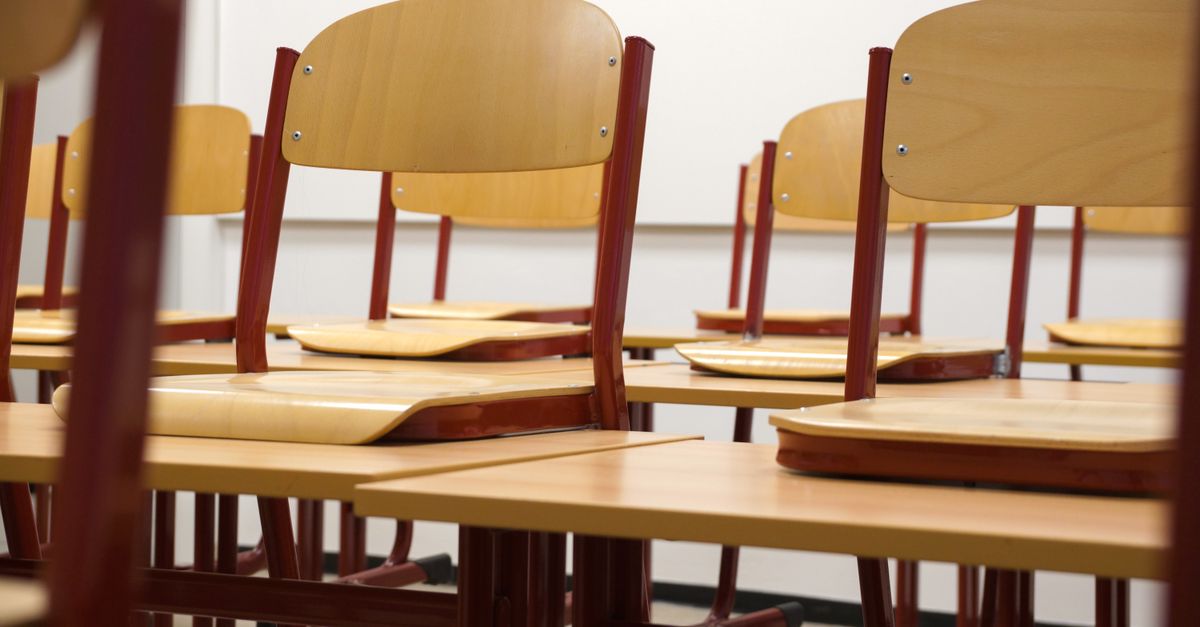
When you walk into a modern classroom, it is becoming increasingly rare to see students sitting in stiff, uniform rows from front to back. The reasons extend far beyond aesthetics or a nod to current trends. Flexible classroom seating is an approach that prioritizes both student engagement and meaningful collaboration, essentials in effective teaching and learning. As educators ourselves, we have learned just how powerful seating choices can be when they're built with real data, student voice, and behavioural insights in mind.
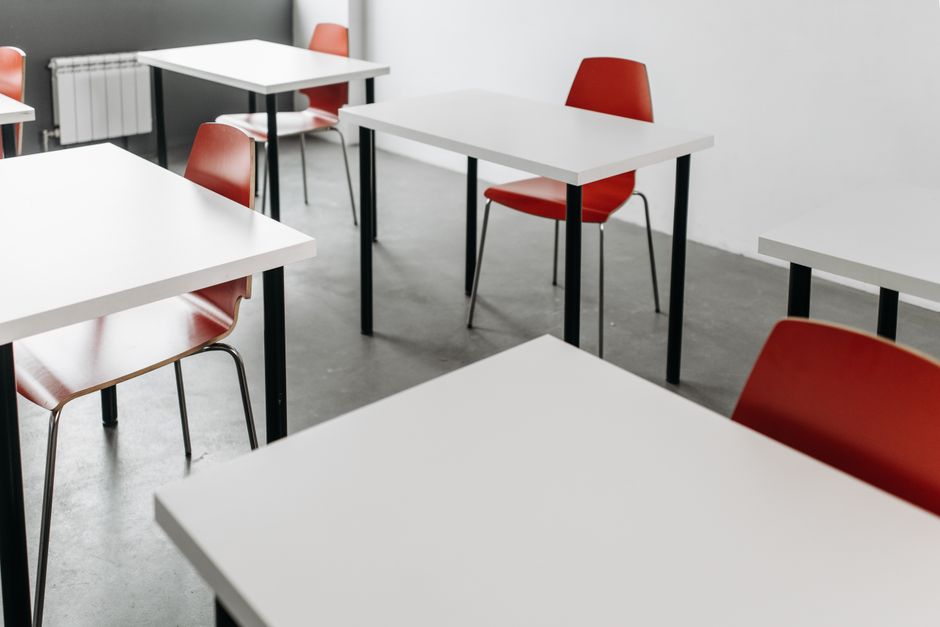
Why Seating Matters More Than You Think
It's easy to underestimate just how much where students sit affects how they learn. But when seating plans are designed with flexibility in mind, they become a subtle lever for improved behaviour, richer group work, and a sense of agency among students. Let's explore what makes flexible seating so impactful.
Driving Collaboration Through Physical Space
Physical proximity in the classroom is more than logistical. When students are strategically grouped and allowed freedom to choose, switch, and suggest seating arrangements, peer-to-peer discussion flows more easily. Collaboration happens naturally when:
- Students sit with others who complement their learning styles.
- Groups are mixed by ability or interest for targeted projects.
- Workstations (tables, pods, or even floor areas) are tailored to different tasks -- from debate circles to quiet solo corners.
We have seen students who were previously quiet find their voice when given a say in their seating, or when gently moved into groups where their strengths are better matched or recognized. Meaningful collaboration is far more likely when the classroom space is intentionally responsive.
Boosting Student Engagement
Engagement is not just about attention, but about participation, investment and curiosity. Flexible seating increases engagement because:
- It empowers students with some degree of choice, which research shows fosters motivation even in reluctant learners.
- Differentiated seating supports varied learning needs, allowing for movement or calming spaces for those who need it.
- Changing groupings keep interactions fresh, reducing boredom and the risk of entrenched cliques.
- It supports inclusion by making it easy to adapt to both academic and social needs on the fly, without stigma or disruption.

Critical Elements for Successful Flexible Seating
The move to flexible seating isn't just about swapping out desks or letting students pick their favourite spots at random. The best implementations are evidence-informed, purposeful, and guided by both school-wide data and day-to-day insight. Here are the pillars of success we've identified:
1. Data-Driven Arrangements
At Mega Seating Plan, we've learned the value of using all available student data -- from achievement and behaviour logs to preferences collected via QR codes -- to inform how rooms are arranged. Automated seating powered by artificial intelligence enables teachers to:
- Identify pairs or groupings that maximize positive interactions and minimize conflict.
- Accommodate student preferences without sacrificing classroom management.
- Flexibly adjust plans based on up-to-the-minute behaviour and assessment trends.
Manual drag-and-drop options let staff apply their professional judgement, ensuring no algorithm replaces true teacher insight.
2. Ongoing Student Input
Seating that adapts to students’ voices encourages ownership. For example, letting students flag the peers they work best with, or identify seat types (quiet corners, group pods) that fit their focus needs, increases buy-in. However, teacher override ensures that the plan balances preferences against behaviour and learning goals.
3. Responsive Behaviour Management
Flexible seating should not mean loss of control. In fact, when combined with real-time behaviour tracking and analysis, seating changes become part of a proactive classroom management toolset. Documenting behaviour and achievement events linked directly to seating plans arms teachers with insights to make subtle adjustments that support positive behaviour, simply and quickly.
Practical Steps for Transitioning to Flexible Seating
Making the leap from traditional to flexible seating doesn’t have to be overwhelming. Here are actionable strategies we’ve seen work in classrooms worldwide:
- Start Small: Try a small area with moveable pods or designate choice zones, keeping the rest traditional until routines are established.
- Gather Student Input: Use surveys, QR codes, or brief conversations to collect seat and grouping preferences. Explain that final placements balance requests with learning needs.
- Set Clear Expectations: Teach and model what collaboration and movement look like during lessons. Make expectations visible to reduce disruptions.
- Rotate Groups Regularly: Mix things up at set intervals to keep interactions fresh and reduce clique risks, using behaviour and achievement data as a guide.
- Integrate Behaviour Tracking: Log incidents, successes, and participation patterns alongside seating adjustments for a clear picture of what works best.
Balancing Flexibility and Structure
One common worry is that flexible seating will lead to chaos. The opposite is true when plans are data-rich and processes are clear. Structure comes from:
- Rich initial information (demographics, achievement, preferences, SEN status where appropriate).
- Teacher ability to easily and quickly adjust plans -- supported by drag-and-drop technology or AI-powered suggestions -- without hours of admin overhead.
- Collaborative review, where teachers, leaders, and even support staff can view and understand the rationale behind seat assignments, helping everyone stay on the same page.
With the right tools and mindset, flexible seating becomes a living resource, not a static chart gathering dust. It should support the teacher, not create more work.
Long-Term Benefits Beyond Collaboration and Engagement
The impact of thoughtful, flexible seating radiates out from the classroom. Among the benefits we have seen, both anecdotally and through aggregate school data:
- Improved behaviour, due to more carefully matched peer groups and quicker response to changing dynamics.
- Stronger student-teacher relationships, as teachers can more easily learn names and gain insight into student needs.
- Streamlined cover and substitute teaching, since anyone can access data-rich plans and get up to speed quickly.
- Better support for inclusion, because plans can highlight important attributes like SEN status, language needs, and key interventions.
- Faster adjustment to lesson observations or Ofsted visits, showing not just how students are arranged, but why.
Conclusion: Intentional Flexibility, Powered by Insight
Flexible classroom seating, when done purposefully, is far more than a trend. It is a strategy that leverages student data, behaviour insight, and professional judgement to foster collaboration, spark deeper engagement, and create an adaptable, inclusive learning environment. The tools you choose matter: Mega Seating Plan is designed to help schools make the most of flexible seating by providing effortless, robust, and data-rich ways to organize (and continually refine) their classroom arrangements. The result is more time to teach, better relationships, and classrooms ready for the future of learning.