Eco-Friendly Classroom Seating Ideas: Sustainable Solutions for Modern Learning Spaces

Creating an eco-friendly classroom isn’t just a trend—it’s a pivotal step in nurturing sustainability-minded citizens. As educators, we’re uniquely positioned to shape not only students’ minds, but also their habits and attitudes toward the environment. One simple yet often overlooked area where we can lead by example is in our everyday classroom seating and layout choices. Here, we’ll explore fresh, actionable ideas for sustainable seating solutions, how smarter planning saves resources, and how thoughtful design positively impacts student well-being and engagement.

Why Eco-Friendly Classroom Seating Matters
When we make sustainable choices in the classroom, it ripples outward—demonstrating to students the values of conservation, thoughtfulness, and stewardship. Eco-friendly seating considers not only the materials used but also how we arrange, source, and handle furniture throughout its life cycle.
- Resource savings: Choosing the right seating and arrangement can reduce waste and unnecessary purchases.
- Promotes healthier environments: Natural or recycled materials tend to emit fewer toxins and promote better air quality.
- Educational opportunity: Teaching through example deepens understanding and engagement in sustainability topics.
Key Principles for Sustainable Classroom Seating
Below are the principles we focus on when making decisions about sustainable seating in educational settings. These are easy to remember, flexible, and ideal for classrooms of all sizes.
- Reuse: Opt for durable, repairable chairs and desks that last multiple years and cycles of students.
- Recycle: Choose furniture made from recycled content or that’s fully recyclable at end-of-life.
- Responsibly sourced: Seek materials (like FSC-certified wood or low-VOC finishes) that have a traceably lower environmental impact.
- Right-sizing: Select only what you need—furniture that truly fits your current and future class sizes and teaching styles.
- Flexible arrangement: Consider modular seating that adapts to new uses, minimizing the need for new purchases over time.

Eco-Friendly Seating Options to Consider
It’s easy to think sustainability means scarcity, but a little creativity goes a long way in transforming learning spaces. These ideas offer comfort, function, and a smaller ecological footprint.
1. Upcycled and Reused Furniture
- Refurbish old classroom desks and chairs instead of replacing.
- Partner with local organizations or surplus warehouses for gently used institutional furniture.
- Involve students in restoration projects—painting, fixing, and assembling—turning seating into a green learning project.
2. Recycled and Natural Materials
- Choose chairs and tables made from recycled plastics, FSC-certified wood, or bamboo.
- Look for low-VOC finishes and adhesives, minimizing classroom toxins.
- Include natural fiber or cork stools for flexible, earth-friendly seating.
3. Flexible Modular Seating
- Invest in stackable or nesting chairs and moveable desks—these adapt to changes, reducing future purchases.
- Consider soft seating pods or mats made from recycled or upcycled materials for group activities.
- Choose multi-functional furniture that can morph from individual desks to group tables easily.

4. Less Is More: Optimizing Space and Reducing Waste
- Use digital tools to plan your classroom, avoiding unnecessary purchases and maximizing existing layouts.
- Pilot minimalist seating arrangements during certain lessons: stand-up desks or standing circles need little to no additional furniture!
- Let natural light and fresh air take the lead over artificial elements, emphasizing sustainability in design.
Greener Seating Layouts: Smarter Planning, Less Waste
Classroom layout directly impacts energy, comfort, and resource use. By adopting thoughtful layouts, you can do more with less and ensure every piece of furniture delivers maximum benefit. Here are some approaches that tie environmental efficiency with educational outcomes:
- Collaborative groupings: Fewer tables and shared desks reduce total inventory, foster cooperation, and save space.
- Rotational seating: Encourage different student groups to use areas at different times, extending the life and usefulness of each element.
- Circles and U-shapes: These layouts promote inclusivity and communication with fewer "dead spots"—reducing wasted space.

Using Digital Tools to Streamline Sustainable Seating
At Mega Seating Plan, we know that smarter planning isn’t just about where kids sit—it’s about reducing waste, duplication, and time spent shuffling paper or replacing misplaced seating charts. Our platform makes it easy to experiment with digital layouts, instantly optimizing arrangements for collaboration, comfort, and even personalised students' needs. By keeping everything digital, we naturally reduce paper usage and waste.
- Develop multiple seating plans without printing or drawing repeat diagrams.
- Share layouts across staff, reducing the need for redundant materials or purchases.
- Instantly update plans to match fluctuating class sizes—no over-purchasing of chairs/tables.
- Save time, so you can reinvest effort into sustainability-focused lessons and activities.
Integrate Sustainability Into Daily Routines
Sustainable seating can be a springboard for broader green classroom habits. Empower students to relate classroom practices to the broader environmental movement:
- Have a dedicated recycling and reusing station in the classroom for damaged chairs and desks that need repair or parts.
- Let students decorate and personalize restored or upcycled seating, boosting pride in sustainability efforts.
- Encourage lessons about materials, resource cycles, and civic responsibility anchored in real classroom items.

Tips for Sustaining Your Sustainable Seating Strategy
- Audit classroom furniture annually—donate, refurbish, or responsibly recycle items that are no longer needed.
- Tap into local government or community programs that support sustainable schools.
- Rotate small group areas or alternative seating types periodically, refreshing the space without buying new items.
- Bring student council or eco-committees into planning, giving students agency in their environment and fostering a sense of ownership.
Looking Ahead: Inspiring a Sustainable Mindset
Sustainable seating isn’t just about choosing a green chair—it’s about building a classroom culture where every resource is valued, every space is intentional, and every student understands the power of small changes. By modeling these choices, we empower students to think creatively about sustainability wherever they go.
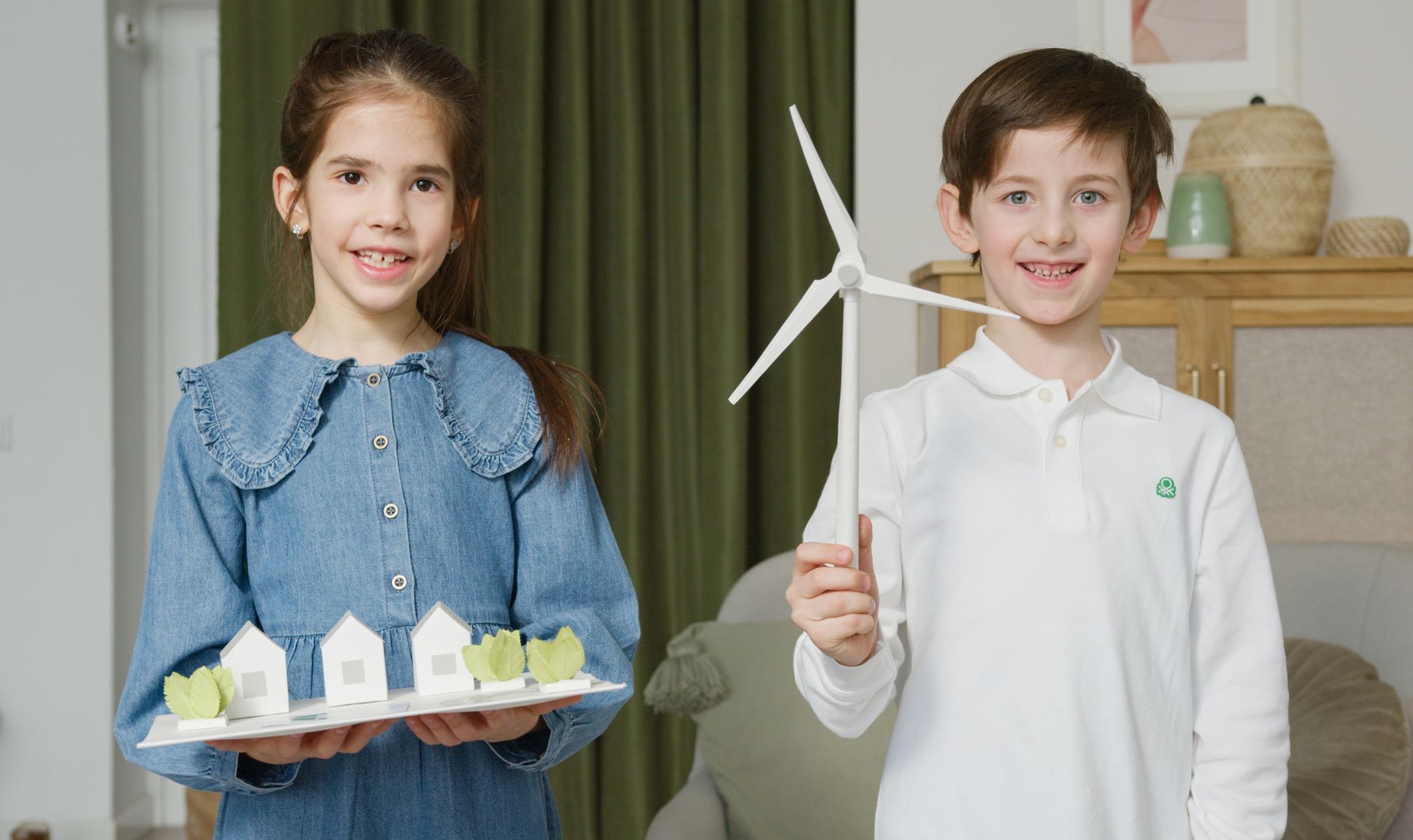
Start Your Sustainable Seating Journey With Us
If you’re looking to integrate smarter, greener seating solutions in your school, tools like Mega Seating Plan can be invaluable—not only for planning layouts that make the best use of your current resources but for reducing waste and championing an eco-conscious classroom culture. Join us and thousands of educators worldwide in building learning spaces where both students and the planet thrive.