5 Classroom Seating Arrangements to Support English Language Learners

Supporting English Language Learners (ELLs) means crafting classroom environments where language, culture, and confidence can thrive together. Seating arrangements are an underappreciated yet powerful tool in achieving this. Over the years of supporting educators at Mega Seating Plan, we’ve seen first-hand how seating can directly enhance language acquisition, participation, and well-being for ELLs. Let’s explore five practical and research-informed seating arrangements that empower English Language Learners, with insights on why these choices matter – and how small adjustments can make a world of difference.
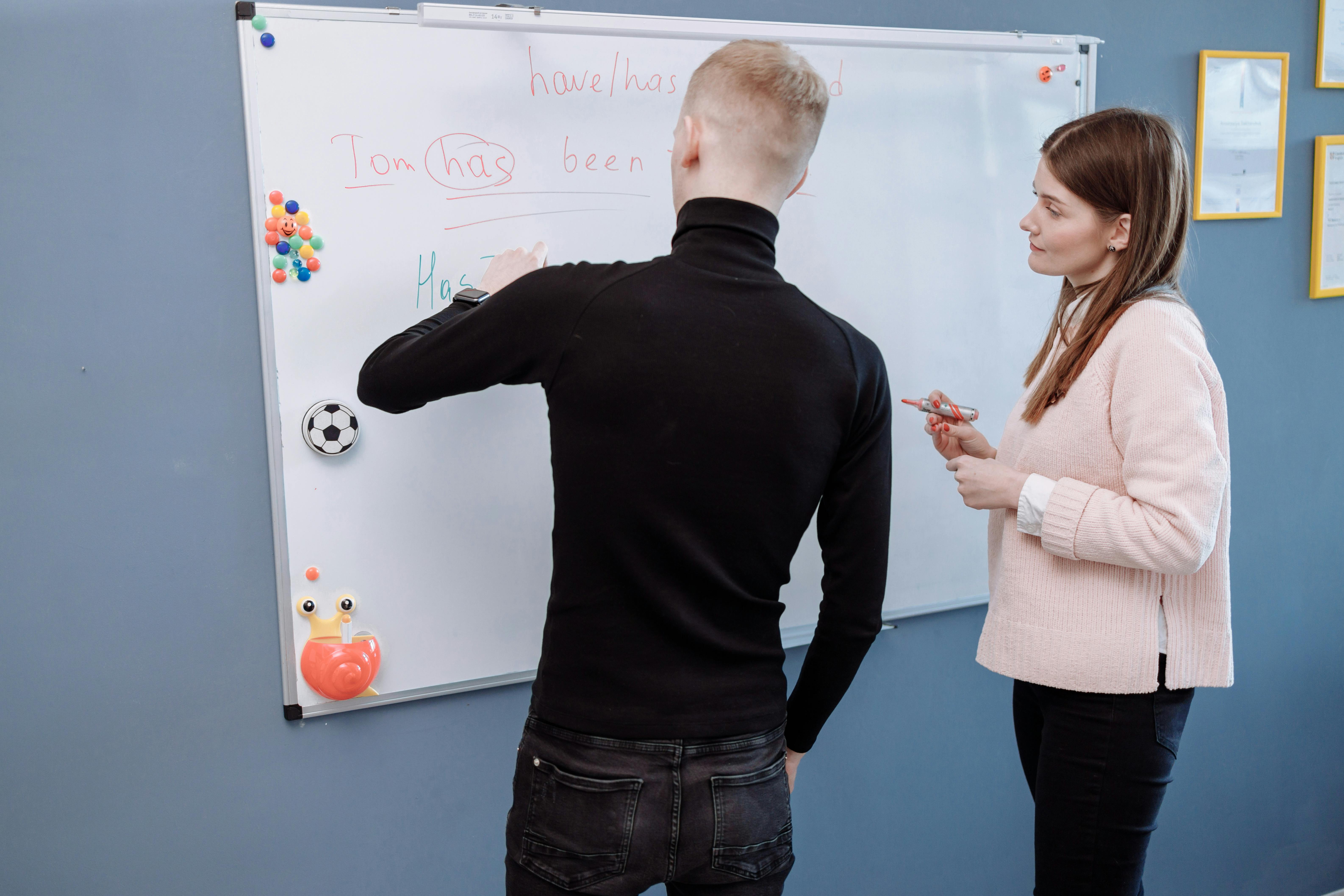
1. Horseshoe (U-Shape): Opening Up Communication
The horseshoe or U-shaped layout brings every student into view – not just for the teacher, but for their peers too. For ELLs, it’s invaluable. Here’s why:
- Clear Sight Lines: ELLs benefit from seeing faces, mouths, and body language, which support their listening and comprehension skills.
- Encourages Verbal Participation: With no one literally “in the back,” every child feels more included in discussions, lowering barriers to spoken English practice.
- Easy Monitoring: As teachers, we can gauge when an ELL is struggling and jump in with targeted support or scaffolding.
- Movement-Friendly: It’s simple to split the class for pair work or invite students to the board without disruption.
How Mega Seating Plan helps: When designing a horseshoe in Mega Seating Plan, you can colour-code seats for ELLs, so you always remember to place them where visibility and proximity support are optimal.
2. Small Collaborative Pods: The Power of Peers
Seating ELLs in small groups – typically pods of 3 to 5 – is a popular technique for encouraging peer-to-peer interaction. But not all pods are created equal. Thoughtful arrangement makes all the difference.
- Diverse Pairings: Mix ELLs with both fluent English speakers and other language learners so they get models for language and confidence from different sources.
- Role Rotations: Rotate pod roles (e.g., note-taker, speaker) so ELLs aren’t always observers but get genuine turns to use English in low-pressure contexts.
- Resource Accessibility: Arrange pods near reference materials (word walls, dictionaries) to empower independence without constant teacher intervention.
Mega Seating Plan’s insight: Seat students according to learning needs, reading level, or behaviour data – in seconds – to ensure mixed-ability pods that maximise social and linguistic gains. And with our data-rich seating charts, identifying when to rotate or re-mix groups is a breeze.

3. Paired Seating: Focused Support and Buddy Learning
There’s a certain magic in pairing – especially for new arrivals and beginner ELLs. But effective pairings are intentional, not accidental.
- Language Buddies: Pair ELLs with peers who are supportive, patient, and ideally strong role models for classroom English. Let your knowledge of classroom dynamics guide this, or use our AI suggestions based on behaviour data.
- Scaffolded Interaction: Paired work can support structured conversational practice, reading aloud, or peer editing – vital for both oral and written English skills.
- Reduced Anxiety: ELLs are more likely to take risks in a pair than in front of the full class. This intimacy fosters confidence and experimentation with language.
- Peer Responsibility: Both students learn empathy and collaboration skills through shared responsibility.
Paired seating doesn’t have to be static: rotate pairings based on units or projects to expand each learner’s network.
4. Accessible Front and Flexible Seating: Equity and Visibility
LLs often rely on visual cues and teacher modeling, making their physical distance from the action matter—much more so than for native speakers. Consider:
- Near the Board and Teacher: Place ELLs close enough to see vocabulary, sentence stems, and be drawn into teacher questioning. Proximity also means subtle support can happen privately, avoiding embarrassment.
- Flexible Options: If possible, combine front-row access with a clear path for ELLs who benefit from movement (stretch breaks, brain breaks, or switching tables during group rotations).
- Language-Designated Zones: Create dedicated areas for targeted language activities – like read-alouds or small-group instruction – and rotate ELLs through these for intentional focus.
With Mega Seating Plan, you can trial different arrangements with a click to see the immediate impact on student engagement and behaviour, and make adjustments from your desk rather than redrawing by hand.
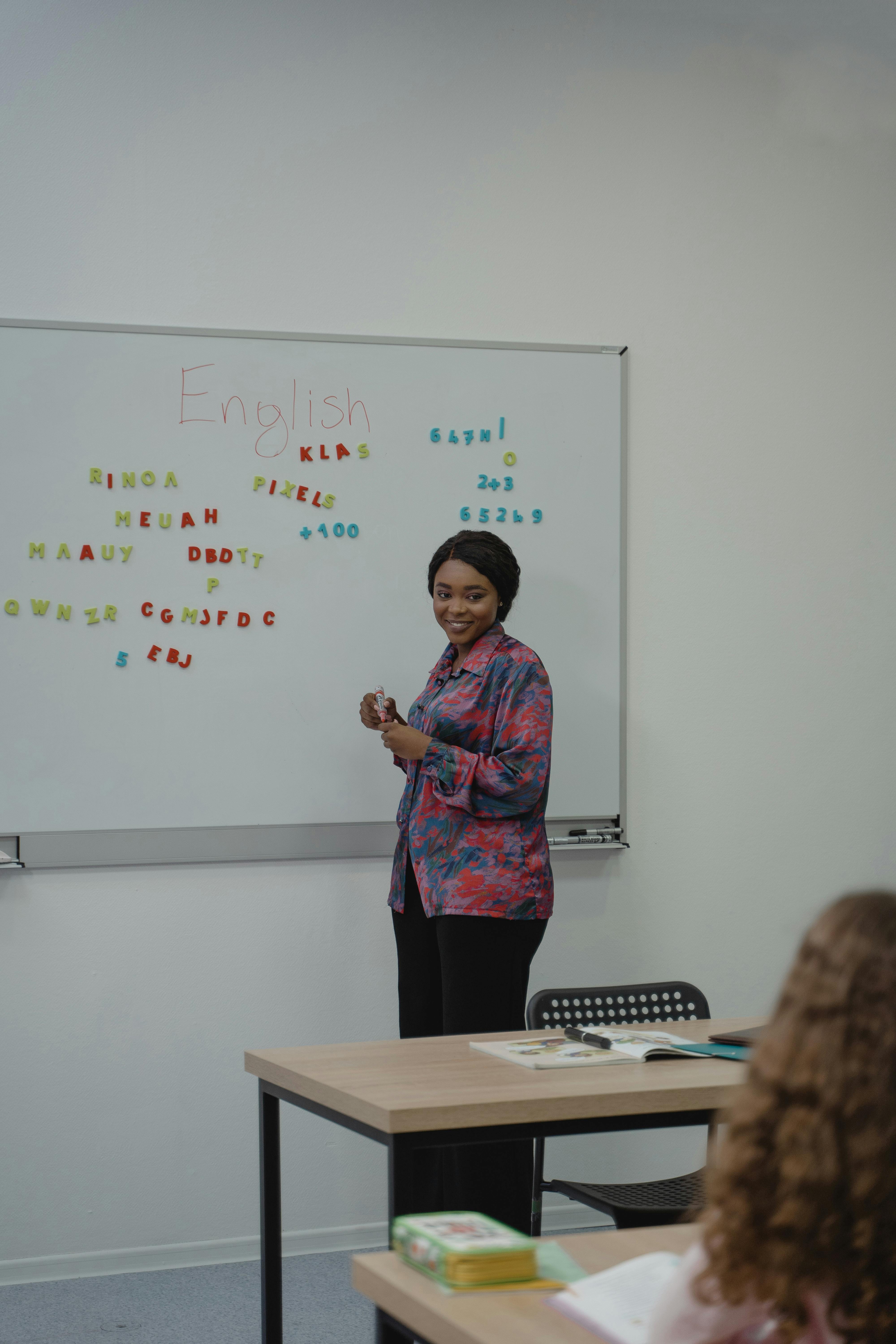
5. Integration with Quiet Spaces: Supporting Well-Being
It can be exhausting to process a new language all day. ELLs sometimes need a place where they can focus, regroup, or receive one-on-one or small-group support – without feeling isolated.
Integrating a small, comfortable zone within or adjacent to your main seating can support this:
- Chillout Corners: A reading nook or beanbag corner where ELLs can process information or enjoy immersion in literature at their own pace.
- Pullover Tables: A shared side table for conferences, catch-up work, or targeted interventions with a teaching assistant.
- Clear Transition Routine: Teach everyone that this is a resource for all (not just ELLs), so it’s normalised rather than stigmatised.
You can map these zones easily in your digital classroom layout using Mega Seating Plan – no guesswork about how students will flow during lesson transitions.
Practical Tips for Every Arrangement
- Ask for Input: Let ELLs have a voice in their seating. The QR-coded student preference feature in Mega Seating Plan allows direct, private feedback on who students feel they learn best with.
- Regular Review: Arrange and rearrange as ELLs grow in confidence. Our AI can factor in behaviour and achievement data to recommend optimal changes over time.
- Combine Structures: A classroom doesn’t have to stick to just one arrangement; mix rows, pods, and horseshoes as the lesson requires.
- Monitor Social-Emotional Needs: Look beyond language: consider friendships, potential sources of classroom anxiety, and pairings that boost self-esteem.
- Share with Team: Using a collaborative platform, share seating templates across your team so that everyone benefits from what’s working with your ELLs.

Why Thoughtful Arrangements Matter for English Language Learners
As educators, we know seating isn’t trivial – it sends powerful messages about inclusion, belonging, and expectations. ELLs, especially, benefit when they’re placed where they can see, listen, interact, and feel seen. The right arrangement is a form of differentiation that acknowledges language as both a challenge and a superpower. It can be the difference between silent struggle and enthusiastic participation.
Final Thoughts
There’s no single “best” classroom layout for all ELLs. Needs will shift with each student’s background, proficiency, and developing friendships. What matters is that you intentionally design your seating plan as an act of care and pedagogy. Whether you’re experimenting with horseshoes, pods, pairs, or a mix, the flexibility to try, adapt, and review your plans quickly is crucial.
At Mega Seating Plan, we’re here to make that process seamless – so you can focus on the real magic: helping every learner find their voice in English.
Ready to create data-rich, flexible seating charts that support every learner? Try a free demo or start making your plans today with Mega Seating Plan.