How Classroom Seating Impacts Student Behavior and Learning: A Comprehensive Analysis
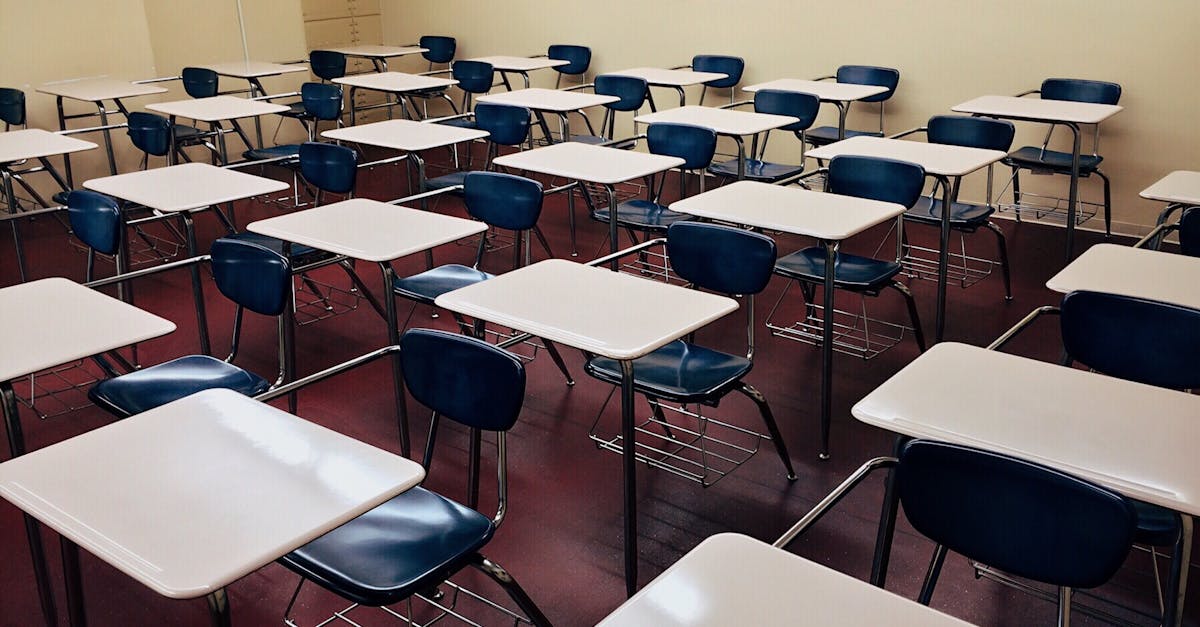
Creating a classroom environment where students thrive is pivotal for educators. At Mega Seating Plan, we understand how vital it is to consider not just the layout of a classroom but how this layout can influence student behavior and learning. In this comprehensive analysis, we'll delve into the crucial role classroom seating plays in fostering a conducive learning atmosphere, exploring insights and behaviors, backed by research and practical applications.
## Understanding the Science Behind Classroom Seating
Classroom seating arrangements are more than just physical setups; they embody subtle psychological influences that can determine the dynamics of classroom interactions. According to a study by Montello and Sutton in 2006, spatial organization directly affects student engagement levels. When strategically utilized, seating can optimize learning for all students, accommodating a range of learning styles and behavioral dynamics.
### Impact of Classroom Environment on Learning
A well-thought-out seating plan can significantly enhance the learning environment by supporting student engagement, comprehension, and interaction. Seating arrangements that facilitate direct line of sight and interaction with the teacher can minimize distractions and encourage participation in classroom discussions. For instance, research has shown that traditional row seating may benefit certain students by reducing distractions, while group seating encourages discussion and collaboration.
## The Psychological Impact of Seating Arrangements
### Student Behavior and Interaction
The seating layout can significantly influence how students interact with each other. Collaborative seating arrangements such as clusters or semi-circles promote peer interaction and cooperative learning. As classroom behavior improves with better interaction, students often find it easier to express themselves, ask questions, and engage in discussions. This style is particularly beneficial in adopting inclusive teaching methods, which are crucial for diverse classrooms.
### Seating and Student Motivation
Motivation is another key area where seating can make a difference. Arranging desks in circular or U-shape formations can create a sense of community and inclusivity, making students feel more connected to the class. The proximity of students to the teacher and the whiteboard can also affect motivation, with closer seats often experiencing a greater level of engagement.
## The Role of Technology and AI in Classroom Seating
### Leveraging AI for Better Seating Plans
At Mega Seating Plan, we leverage advanced AI algorithms to create optimal seating arrangements. Our system dynamically analyzes multiple factors, including student preferences, behavioral data, and teacher inputs, to suggest the best seating solutions. By analyzing up to 10,000 configurations in under two seconds, our AI ensures that teachers have a data-centric approach to classroom management.
### Personalizing Classroom Management
Our tool also allows teachers to personalize their seating charts with a human touch. While AI provides a starting point, teachers can override suggestions based on personal knowledge of their students’ needs and personalities. This blend of artificial intelligence and human expertise ensures a nuanced approach to seating.
### Synchronizing with School MIS
Mega Seating Plan seamlessly integrates with school management systems, ensuring that class lists, student photos, and demographic details are automatically updated. This synchronization not only saves precious teacher time but also ensures accuracy in managing student data.
## Practical Tips for Effective Seating Arrangements
### Evaluating Classroom Needs
To start crafting an effective seating plan, assess the specific needs and dynamics of your class. Consider factors such as subject matter, classroom size, and technological requirements. Different classes may benefit from varied seat arrangements; for instance, discussions might thrive in an open circle setting, while tests might require traditional rows.
### Engaging Students in the Process
Allowing students a voice in their seating arrangements can foster responsibility and increased ownership of their learning. Using tools like personal QR codes in Mega Seating Plan, students can express their seating preferences, providing useful data for creating arrangements that suit their needs.
### Flexibility for Learning Success
An adaptable seating plan is a successful one. Allowing students to shift between different configurations depending on the lesson can keep learning fresh and engaging. Flexible seating options are particularly successful in progressive teaching models, like Kagan structures, which emphasize cooperative learning.
## Conclusion: The Power of Strategic Seating
In conclusion, the impact of seating arrangements on student behavior and learning is profound and multifaceted. By effectively utilizing tools like [Mega Seating Plan](https://www.seatingplan.com), educators can harness AI to create optimal learning environments tailored to the needs of their students. Through strategic seating, teachers can elevate engagement, encourage better interactions, and ultimately enhance the educational experience.
For teachers and schools aiming to improve their classroom management practices, adopting a smart seating plan is a significant step forward. Interested in transforming your classroom dynamics with cutting-edge seating technology? Discover the possibilities with Mega Seating Plan today and let us help you shape the future of education.
By understanding and harnessing the inherent power of classroom seating, we can create learning spaces where both students and educators thrive.