10 High-Impact Classroom Management Techniques Every Teacher Should Know
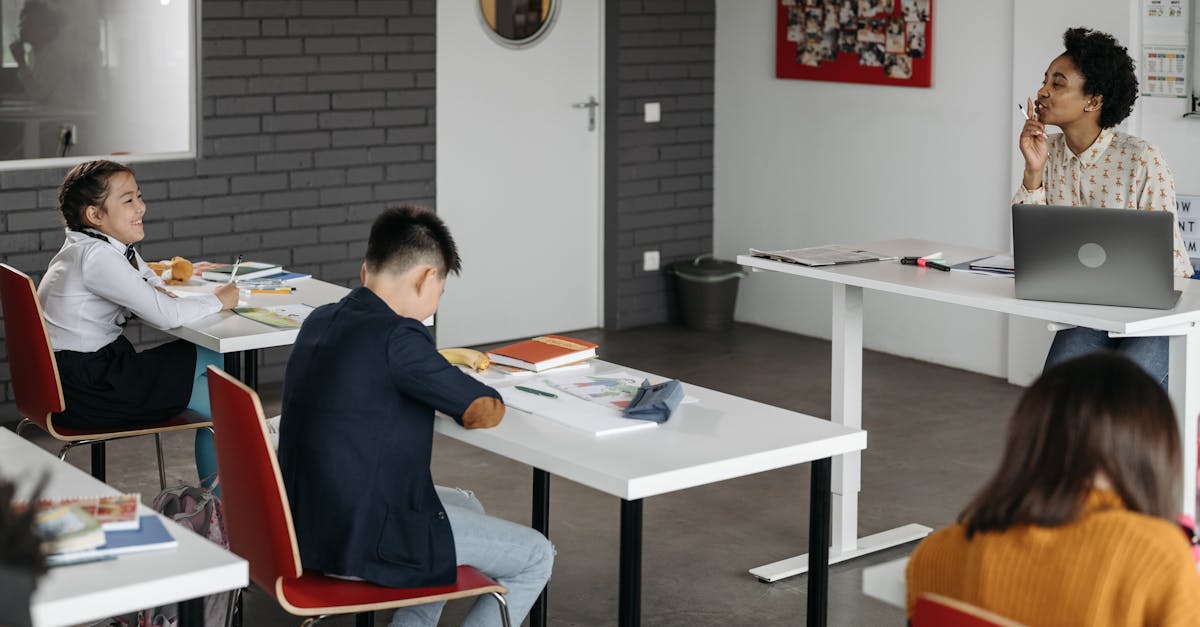
Navigating the classroom dynamics can be challenging, but with effective classroom management techniques, teachers can create a conducive learning environment that benefits both students and educators. Based on proven strategies, we've outlined 10 high-impact techniques every teacher should know to foster productivity and harmony in the classroom.
## Understanding Classroom Management
Classroom management is more than just maintaining order. It involves creating a supportive learning environment where all students feel valued and motivated. Effective classroom management strategies can lead to improved student behavior, increased engagement, and enhanced academic performance.
## 1. Establish Clear Expectations
One of the first steps in classroom management is establishing clear and consistent expectations. Communicate to your students what behaviors are acceptable and unacceptable within the classroom. This can be done through a classroom contract or rules list that is reviewed regularly. Consistency in applying these expectations helps students understand the boundaries and the consequences of their actions.
## 2. Build Strong Teacher-Student Relationships
Research underscores the importance of positive teacher-student relationships in effective classroom management. Investing time to understand your students as individuals can foster mutual respect and cooperation. Take interest in their interests, hobbies, and experiences which can cultivate a trusting atmosphere in the classroom.
## 3. Implement Routine and Structure
Routines and structure provide students with a sense of security and predictability. Establishing daily routines for beginning lessons, transitions, and end-of-day activities can minimize chaos and confusion. A structured environment helps students know what to expect, which can reduce behavioral issues.
## 4. Use Positive Reinforcement
Positive reinforcement is a powerful tool in promoting desired behaviors. Recognize and reward students for displaying positive behavior, which can motivate them to continue these actions. This could be through verbal praise, stickers, or a points-based reward system. Research shows that acknowledging good behavior is more effective than addressing negative behavior alone.
## 5. Develop Effective Communication Skills
Good communication is key to managing a classroom effectively. Be clear and concise in your instructions and feedback. Encourage open dialogue by listening actively to your students' perspectives and creating an environment where they feel comfortable expressing themselves. Effective communication can prevent misunderstandings and build respect.
## 6. Foster an Inclusive Classroom Environment
An inclusive classroom environment respects and values diversity. Teachers should strive to create lessons that are accessible to all students regardless of their backgrounds or abilities. This involves differentiating instruction and being mindful of cultural and learning needs, which can help all students feel included and respected.
## 7. Incorporate Student Interests
Involving student interests in the curriculum can increase engagement and motivation. Understanding what excites and interests your students allows you to tailor lessons that resonate with them. This can lead to more participation and enthusiasm, reducing the chances of disruptive behavior.
## 8. Apply Consistent Consequences
It’s crucial that consequences for misbehavior are applied consistently and proportionately. Students should be aware of the consequences beforehand, which should be relevant and constructive. Consistent application ensures that students do not feel targeted or unfairly treated, which can undermine your authority.
## 9. Use Technology Wisely
Technology in the classroom can be both a blessing and a challenge. Incorporating tools like Mega Seating Plan can streamline classroom management by using AI to arrange seating plans that take student behavior and preferences into account. Such tools can save time and ensure an optimal learning environment.
## 10. Reflect and Adapt Your Management Strategies
Classroom management strategies should be dynamic, adapting to the changing needs of your students. Regularly reflecting on what works and what doesn’t can help you tweak your strategies for more effectiveness. Stay informed about new research and techniques in education to continuously improve your approach.
Effective classroom management is integral to the educational process, enhancing both teaching and learning experiences. By integrating these techniques, teachers can create an environment where students are motivated and ready to learn. For educators seeking to simplify classroom management, [Mega Seating Plan](https://www.seatingplan.com) offers innovative solutions to ease the process, allowing you to focus more on teaching.