10 Innovative Classroom Seating Arrangements That Boost Student Engagement
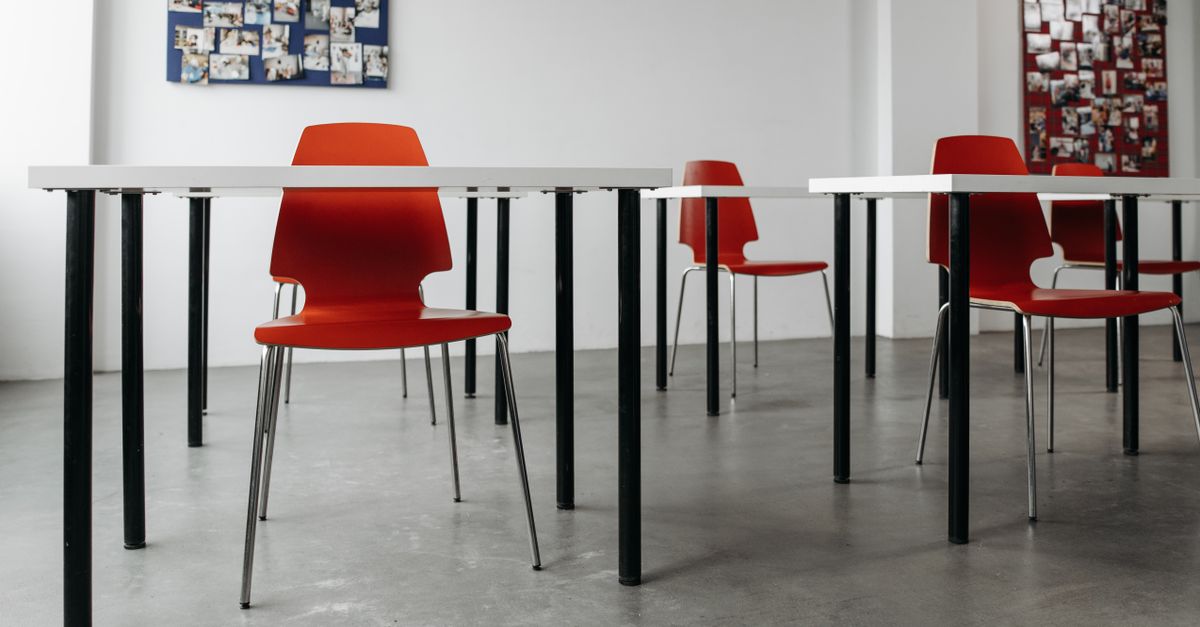
When it comes to designing a classroom, the seating arrangement can have a profound impact on student engagement and learning outcomes. At Mega Seating Plan, we've collaborated with educators worldwide to enhance classroom dynamics through innovative seating strategies. Here, we'll explore 10 innovative classroom seating arrangements that not only boost student engagement but also compliment the AI-powered functionality of our [Mega Seating Plan](https://www.seatingplan.com) software.
---
## 1. The Traditional Rows (with a Twist)
While traditional row seating is often frowned upon for stifling student interaction, a slight modification can boost engagement. Setting desks in a 'chevron' or angled arrangement rather than straight rows establishes better sight lines and fosters a more dynamic flow of communication. This small change can enhance student focus and participation.
**Benefit:** Teachers can maintain control and visibility while promoting inclusivity and interaction.
---
## 2. The U-Shape Arrangement
The U-shape is excellent for discussion-based classes. It allows the teacher to move seamlessly through the room, engaging each student directly. This setup supports group dialogues, debates, and allows for demonstration space in the middle.
**Benefit:** Encourages open discussion and ensures each student feels part of the conversation, promoting equality in participation.
---
## 3. The Circle
Circle arrangements can be particularly effective for subjects requiring in-depth discussion or when building classroom community. Students are encouraged to speak directly to each other rather than through the teacher, fostering a collaborative environment.
**Benefit:** This setup democratizes the classroom by putting everyone on equal footing, contributing to increased confidence and participation.
---
## 4. Clusters of Four
Grouping desks into clusters of four promotes cooperative learning and eases peer-to-peer dialogue. This setup supports partner work and small group activities, essential for collaborative learning models.
**Benefit:** Enhances teamwork and problem-solving skills, encouraging students to support and learn from one another.
---
## 5. Stadium Seating
To mimic the university lecture-style seating, this arrangement involves tiered rows of desks. When space allows, this can create a dynamic learning environment similar to a lecture hall, boosting visibility and focus.
**Benefit:** Ideal for larger classes and multimedia presentations, maintaining engagement with a clear view for all students.
---
## 6. The Flexible Layout
Flexible seating allows for dynamic learning environments tailored to the subject matter and activity type. Utilizing seating choices like bean bags, standing desks, or mobile desks empowers students to select where and how they learn best.
**Benefit:** Supports a variety of learning styles and fosters a sense of autonomy and comfort, ultimately leading to increased student satisfaction and performance.
---
## 7. Boardroom Style
Inspired by corporate boardrooms, this seating emphasizes professionalism and is ideal for project-based learning. Students see each other face-to-face, which encourages active listening and discussion.
**Benefit:** Promotes leadership skills and teamwork, preparing students for professional collaboration.
---
## 8. The Pinwheel
This layout involves clusters of desks in a wheel-like pattern. Each cluster functions like its own small table where students can both collaborate and pivot to engage with the entire class when needed.
**Benefit:** Ideal for classes that alternate between group work and whole-class instruction, maintaining flexibility.
---
## 9. The Fishbowl
In this arrangement, a small group of desks is placed in the center, with the remaining desks forming a circle or semi-circle around them. This layout is fantastic for peer teaching and effectively facilitates class discussions.
**Benefit:** Fosters listening skills and peer-led instruction, giving students a chance to take on teaching roles.
---
## 10. Zones for Different Activities
Dividing the classroom into zones allows for a versatile learning environment. Each zone focuses on different learning styles – reading corners, project areas, collaboration zones – facilitating self-directed learning.
**Benefit:** Encourages students to transition smoothly between different types of learning activities, keeping them engaged and interested.
---
### Conclusion
At Mega Seating Plan, we believe that the right seating arrangement can transform a classroom into a thriving learning environment. Our AI-powered platform not only supports these innovative designs but further personalizes them based on student data and preferences. Whether you're a teacher making a single seating plan or an administrator responsible for an entire school, our [Gold and Platinum subscription](https://www.seatingplan.com) levels offer scalability and efficiency that align with modern educational demands. Join the thousands of educators already revolutionizing their classrooms with Mega Seating Plan today.